
Alan Jagolinzer, Professor of Financial Economics at Cambridge Judge Business School and organiser of the Cambridge Disinformation Summit, was on the Development Committee for the report, and the Cambridge Disinformation Summit is referenced in the 25-page report.
Universities and researchers must collaborate toward strengthening efforts to improve information integrity in the public sphere.
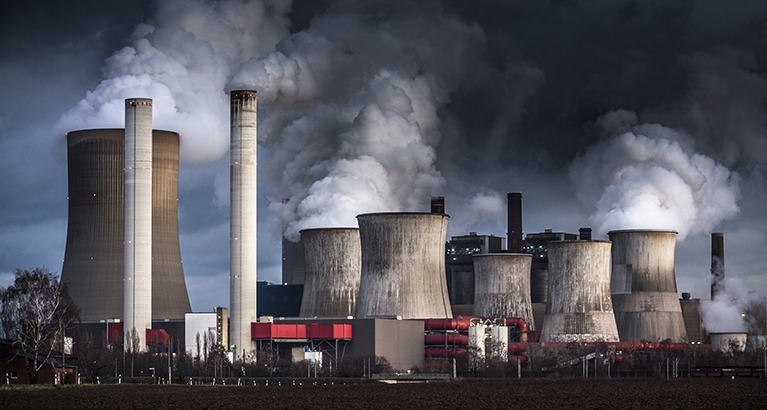
“This IUCA initiative examines how mis- and dis-information tactics threaten to delay, distract from and derail climate change mitigation policies and actions,” says the report. “Fossil fuel interests – with coordinated politically, strategically or financially motivated supporting actors and organisations – have effectively manipulated public perception, casting doubt about climate science and influenced policy decision-making, effectively stalling action while effectively deepening the climate crisis.
“With recognition that there remains much active work ahead, universities and researchers must collaborate toward strengthening efforts to improve information integrity in the public sphere. This work may include investigative studies into the communication strategies of carbon-polluting industries and their enablers, solutions-based research that highlights routes towards a just and clean energy transition, pro-science communication, media, advertising and public relations campaigns,” the report says.
Case studies showcase the problems posed by climate misinformation
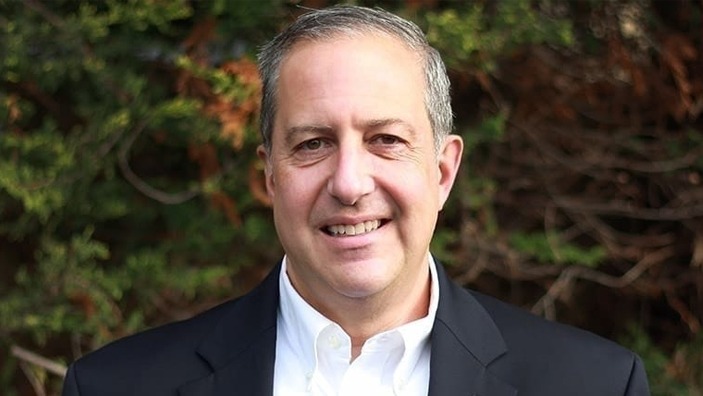
The report includes 5 case studies from around the world that highlight some of the key issues presented. They focus on an intense heatwave this summer in Portugal, livestock methane, carbon credit scams, underreporting of financial cleanup obligations and Apple’s claim of a carbon neutral watch.
The International Universities Climate Alliance, formed in 2020, brings together climate research universities to share expertise and best practices across education, research and campus sustainability.
Alan says: “I think this report helps illustrate how academics can help shape policy on pressing global concerns. I have been teaching students for decades about the glaring weaknesses in corporate accountability regarding climate impact – particularly where pollutive companies are allowed to grossly underreport their environmental cleanup obligations in financial reports. This, in turn, seemingly allows them to underfund and deflect cleanup efforts. Cases like these are now prominently illustrated in this report, which I think can help shed better awareness and potential policy interventions.”
Featured research
International Universities Climate Alliance (2026) Advancing truth: university contributions to a trusted information environment.
Related articles
Faculty news
Summit offers a systemic view on disinformation
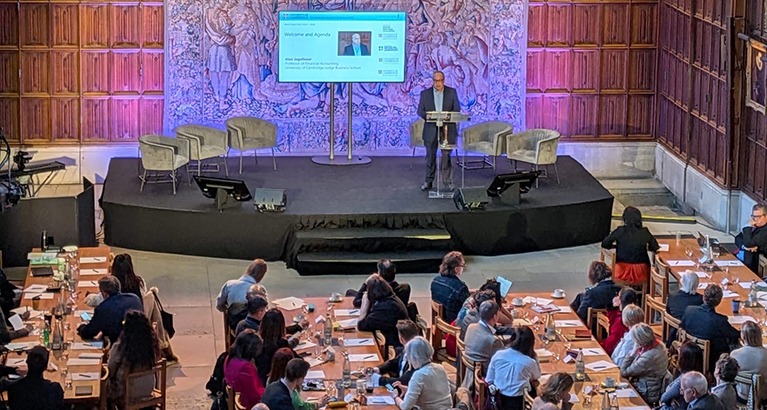
The 3rd Cambridge Disinformation Summit was held 8-10 April 2026, focusing on the downstream harms caused by intentionally false and misleading information. Summit coordinator Alan Jagolinzer, Professor of Financial Accounting at Cambridge Judge Business School, reflects on some of the key lessons.

The 2026 Cambridge Disinformation Summit, which formally opens today (Wednesday 8 April), focuses on how intentionally misleading narratives are often the prelude to acts of harm and exploitation. The event is the 3rd Cambridge Disinformation Summit, and is chaired by Alan Jagolinzer, Professor of Financial Accounting at Cambridge Judge Business School.

Programme news
Top 10 reads of 2025
Articles about artificial intelligence and sustainability were among the most popular stories on the Cambridge Judge Business School website in 2025, reflecting a year in which AI capabilities expanded apace and the November COP30 climate-change summit in Brazil focused attention on the environment.