

Artificial Intelligence (AI)
Strategic uncertainty, confused governance, data limitations, and integrating AI into legacy systems while managing risk, cost, and managing organisational change… It’s a challenge, even for the best organisations.
Overview
Organisations increasingly view AI as a transformative technology that enhances productivity, accelerates decision-making, and reduces costs across functions. Realising this value depends on a clear AI strategy and strong AI governance from corporate boards. Generative AI brings risks such as bias, hallucinations and data leakage, requiring structured oversight. As Agentic AI enables more autonomous workflows, it boosts efficiency but heightens control risks, reinforcing the need for disciplined governance and alignment with strategic business objectives.
Why should you take a programme?
Cut through hype and translate AI into real business value. Our AI programmes provide a clear, practical understanding of AI’s capabilities, limitations and strategic impact, enabling leaders to make informed decisions and avoid costly missteps.
Participants gain access to world-class faculty, cutting-edge research and real-world case insights, while developing frameworks to implement AI effectively across their organisations.
Crucially, executives leave equipped to lead transformation – aligning AI with strategy, culture and innovation to sustain competitive advantage in a rapidly evolving business landscape.
Develop the strategic insight, practical frameworks and AI strategy roadmap to lead enterprise transformation.
Format:
Dates:
Duration:
Fees:
Face-to-face
24-26 Feb 2027
3 days
£5,000 + VAT
Face-to-face
26-28 May 2027
3 days
£5,000 + VAT
Format:
Face-to-face
Dates:
24-26 Feb 2027
Duration:
3 days
Fees:
£5,000 + VAT
Format:
Face-to-face
Dates:
26-28 May 2027
Duration:
3 days
Fees:
£5,000 + VAT
Helping leaders design agentic AI systems, build hands-on capability, and establish the governance needed to move from pilot to production.
Format:
Dates:
Duration:
Fees:
Face-to-face
30 Nov-2 Dec 2026
3 days
£5,200 + VAT
Face-to-face
22-24 Mar 2027
3 days
£5,200 + VAT
Format:
Face-to-face
Dates:
30 Nov-2 Dec 2026
Duration:
3 days
Fees:
£5,200 + VAT
Format:
Face-to-face
Dates:
22-24 Mar 2027
Duration:
3 days
Fees:
£5,200 + VAT
Master agentic AI at Cambridge. Design autonomous workflows, build practical skills, and establish governance that takes agentic AI from blueprint to reality.
Format:
Dates:
Duration:
Fees:
Face-to-face
18-20 Nov 2026 (waitlist)
3 days
£5,500 + VAT
Face-to-face
20-22 Jan 2027
3 days
£5,500 + VAT
Face-to-face
23-25 Mar 2027
3 days
£5,500 + VAT
Face-to-face
19-21 May 2027
3 days
£5,500 + VAT
Face-to-face
16-18 Jun 2027
3 days
£5,500 + VAT
Format:
Face-to-face
Dates:
18-20 Nov 2026 (waitlist)
Duration:
3 days
Fees:
£5,500 + VAT
Format:
Face-to-face
Dates:
20-22 Jan 2027
Duration:
3 days
Fees:
£5,500 + VAT
Format:
Face-to-face
Dates:
23-25 Mar 2027
Duration:
3 days
Fees:
£5,500 + VAT
Format:
Face-to-face
Dates:
19-21 May 2027
Duration:
3 days
Fees:
£5,500 + VAT
Format:
Face-to-face
Dates:
16-18 Jun 2027
Duration:
3 days
Fees:
£5,500 + VAT
This programme will help you gain a deep understanding of AI and how to effectively integrate it into your organisation, whilst navigating legalities and bias.
Format:
Dates:
Duration:
Fees:
Face-to-face
23-26 Nov 2026
4 days
£6,250 + VAT
Face-to-face
15-18 Mar 2027
4 days
£6,250 + VAT
Format:
Face-to-face
Dates:
23-26 Nov 2026
Duration:
4 days
Fees:
£6,250 + VAT
Format:
Face-to-face
Dates:
15-18 Mar 2027
Duration:
4 days
Fees:
£6,250 + VAT
Transform your organisation with the Cambridge AI Leadership Programme, designed for senior leaders navigating digital disruption.
Upcoming programme dates to be confirmed.
Application via the Emeritus website
This programme is designed to help business leaders innovate and create value using artificial automation and artificial intelligence in their organisation.
Format:
Dates:
Duration:
Fees:
Face-to-face
23-25 Nov 2026
3 days
£5,000 + VAT
Format:
Face-to-face
Dates:
23-25 Nov 2026
Duration:
3 days
Fees:
£5,000 + VAT
Delivery formats
High quality programmes, flexible formats. Our 3 delivery styles allow you to choose whichever format best suits your needs.

Face-to-face
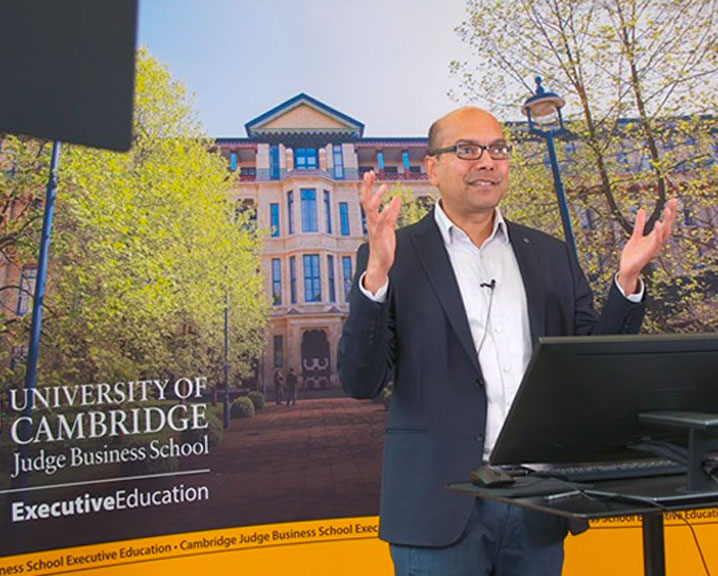
Immerse yourself in an inspirational learning environment in the historic and beautiful city of Cambridge. In an intense classroom-based experience, you will engage with faculty and peers in person. Join ‘Cambridge Union’-style debates, hear from guest speakers and faculty, and enjoy group exercises, role-play and informal conversations both in and outside class.
Live Online
Experience the best of Cambridge face-to-face learning right inside your home or office. Using current technologies, our seamless Live Online delivery offers you richly immersive interaction with faculty and peers. You’ll experience virtual debates, hear from guest speakers and faculty, and engage in breakout groups, simulations and role-play.

Online
Study whenever and wherever you want. Our highly flexible fully online programmes run over multiple weeks. Enjoying carefully structured learning, you’ll benefit from curated videos, live Faculty webinars, Q&A chat sessions and a dedicated Programme Support Team.
Faculty and speakers
Meet the faculty teaching on our artificial intelligence (AI) programmes.

Director of the MPhil in Innovation, Strategy and Organisation Programme
Co-Director of the Entrepreneurship Centre

BA (University of Cambridge)

Stella holds an honorary title from Cambridge Judge Business School.

Academic Director of the Psychometrics Centre
PhD (University of Nottingham)
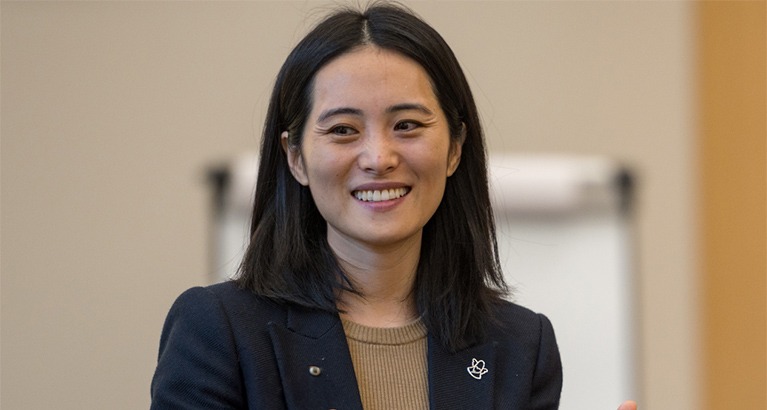
MPhil, PhD (School of Management, Fudan University)

Mark holds an honorary title from Cambridge Judge Business School.

Smaranda holds an honorary title from Cambridge Judge Business School.
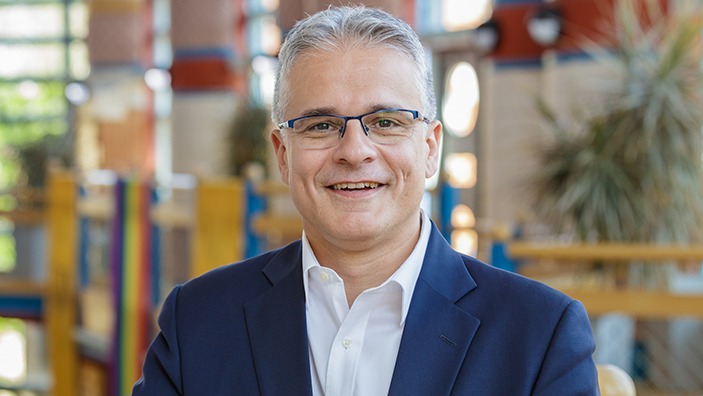
Stylianos (Stelios) Kavadias
Margaret Thatcher Professor of Enterprise Studies in Innovation and GrowthCo-Director of the Entrepreneurship Centre
PhD (INSEAD)

Min holds an honorary title from Cambridge Judge Business School.
Version 3 (17 September 2026)