
Sustainable Business Transformation Programme
Examine opportunities for growth and resilience, and how to put sustainable business transformation into practice.
Upcoming programmes
Format:
Dates:
Duration:
Fees:
Face-to-face
27-29 Apr 2027
3 days
£4,600 + VAT
Upcoming programmes
Format:
Face-to-face
Dates:
27-29 Apr 2027
Duration:
3 days
Fees:
£4,600 + VAT
Overview
Designed for senior executives looking to strengthen their understanding of sustainable business transformation, this programme connects strategy, finance, operations and organisational change.
Across 3 intensive days, you will examine sustainable business across the 4 core pillars required for successful transformation:
- strategy and growth under transition
- finance, reporting and capital allocation
- operating model and value creation
- organisational execution and change leadership
You will consider how the learning applies to challenges and opportunities in your own organisation. You will learn through University of Cambridge faculty-led sessions, practitioner case studies, group exercises and individual reflection.
Throughout the programme, you will work towards an individual action plan focused on a sustainability-related challenge or growth opportunity in your organisation.
Benefits and career impact
By the end of the programme, you will be able to:
- reframe sustainability as a source of strategy, growth and competitive positioning, not only as a compliance requirement
- build executive-level literacy in climate, carbon, energy transition and sustainability reporting
- identify where innovation and operating model redesign can create value
- understand the stakeholder, cultural and behavioural barriers that slow organisational transformation
- ask sharper questions about sustainability disclosure, reporting standards and capital allocation
- develop an individual action plan that can be taken back into your organisation
Your organisation will benefit from a senior leader who can:
- connect sustainability pressures to strategy, investment, operations and governance decisions
- identify growth and resilience opportunities created by transition, regulation and market change
- support more informed discussions and decisions about sustainability reporting, disclosure and capital allocation
- communicate sustainability priorities clearly and build stakeholder engagement
- support cross-functional alignment between strategy, finance, operations, sustainability, risk and leadership teams
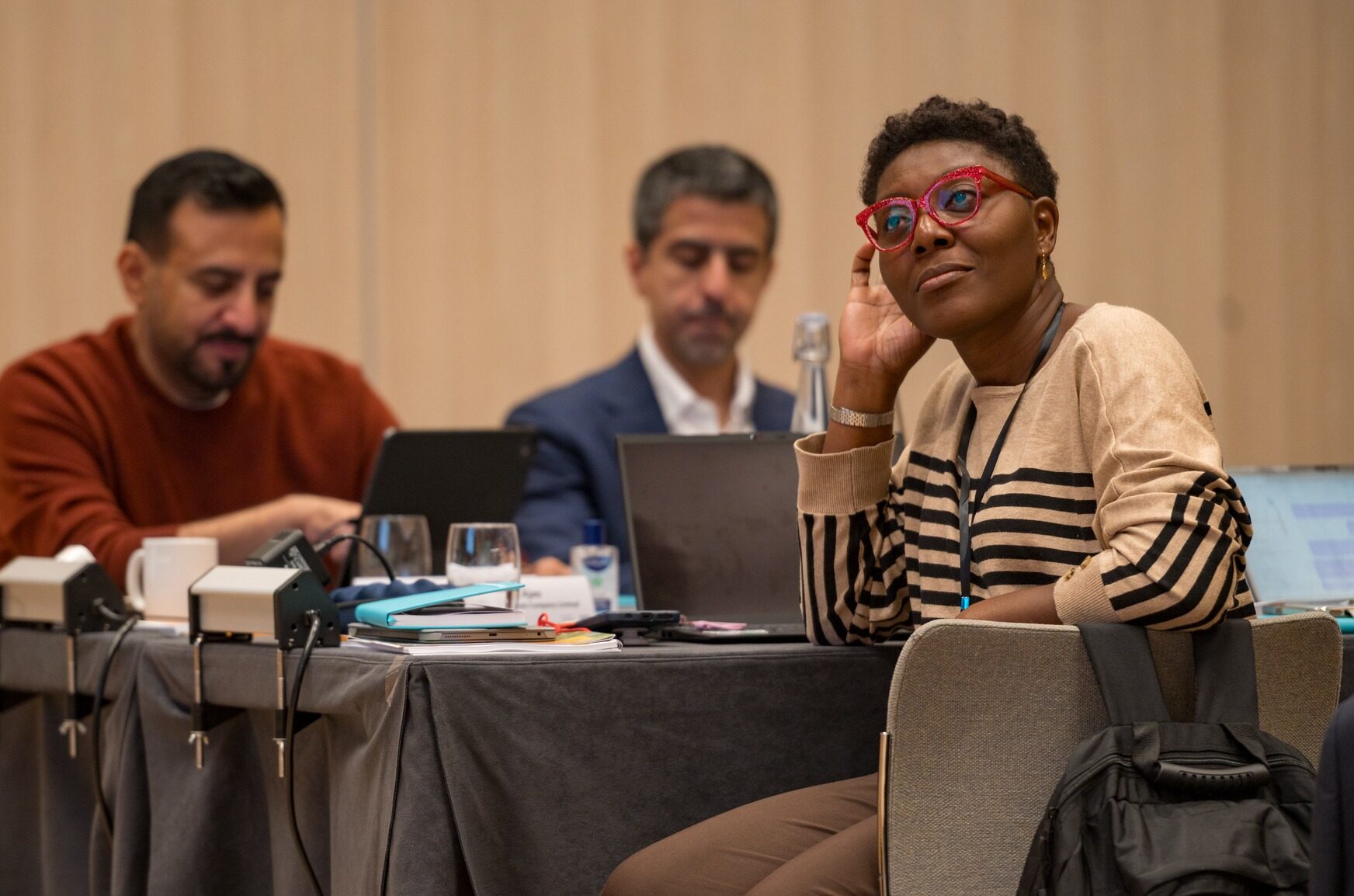
Knowing what needs to change is rarely the hardest part. The harder part is moving an organisation, and culture is often where change either stalls or takes hold.
Programme content
The programme runs over 3 days, moving from understanding the transition to putting it into practice in your own organisation.
Day 1: Understanding the transition and identifying opportunities for transformation
- The changing role of business, with an introduction to systems thinking.
- The geopolitics of energy transition.
- Decarbonisation and innovation: where might we be going and why?
- Environmental change, with a visit to the Scott Polar Research Institute.
- Identifying an organisational transformation challenge to work on throughout the programme.
Day 2: Exploring innovation, disruption and the practical challenges of sustainable business
- Overcoming the operational challenges of innovation for sustainability.
- Harnessing disruptive forces.
- Sustainability reporting: shifts and limits.
- Exploring innovation and transformation opportunities in your own organisation.
Day 3: Creating business value and turning insight into action
- Organisational culture as a tool for change.
- Delivering business value through sustainability.
- AI: a net benefit?
- Individual action planning – application and reflection.
Site visits
The programme takes you beyond the classroom and into Cambridge’s research institutions, to see how evidence about environmental change is gathered, understood and used. The visits are built into the learning journey and give you a chance to test the programme’s ideas against real-world evidence.
Scott Polar Research Institute (Day 1)
The polar regions are among the clearest indicators of environmental change. Your visit to the Scott Polar Research Institute is part of the Day 1 session on environmental change. It grounds the commercial implications discussed in the classroom in the science behind them, and helps you see why environmental change is a strategic issue rather than a compliance one. The Institute’s research, archives and collections offer a long-term perspective on how the planet is changing, and on what that means for the decisions businesses make today.
University Museum of Zoology (Day 2)
The Museum holds around two million specimens spanning the whole animal kingdom, including material collected by Charles Darwin and Alfred Russel Wallace. The visit offers a different lens on the programme’s themes: how the natural world adapts to pressure, and what that can teach leaders about resilience, disruption and the dependencies between business and nature.
Please note that the site visits are subject to change.
Who attends
This programme is designed for senior executives who want to strengthen their understanding of sustainable business transformation and its implications for strategy, finance and operations. It is particularly relevant for those taking on new sustainability responsibilities and senior leaders looking to develop their knowledge of sustainable business. It is particularly relevant if you are
- an executive who has recently moved into a sustainability, transformation or corporate responsibility role
- a senior leader in strategy, finance, operations, supply chain, risk, governance or innovation
- responsible for turning sustainability targets, regulation or stakeholder expectations into business action
- a public policy leader working with business on sustainable transition, reporting or innovation
- a board member who needs to understand the strategic, financial and operational implications of sustainable business
- a sustainability practitioner who wants to connect technical expertise to strategy, capital allocation and operating model design
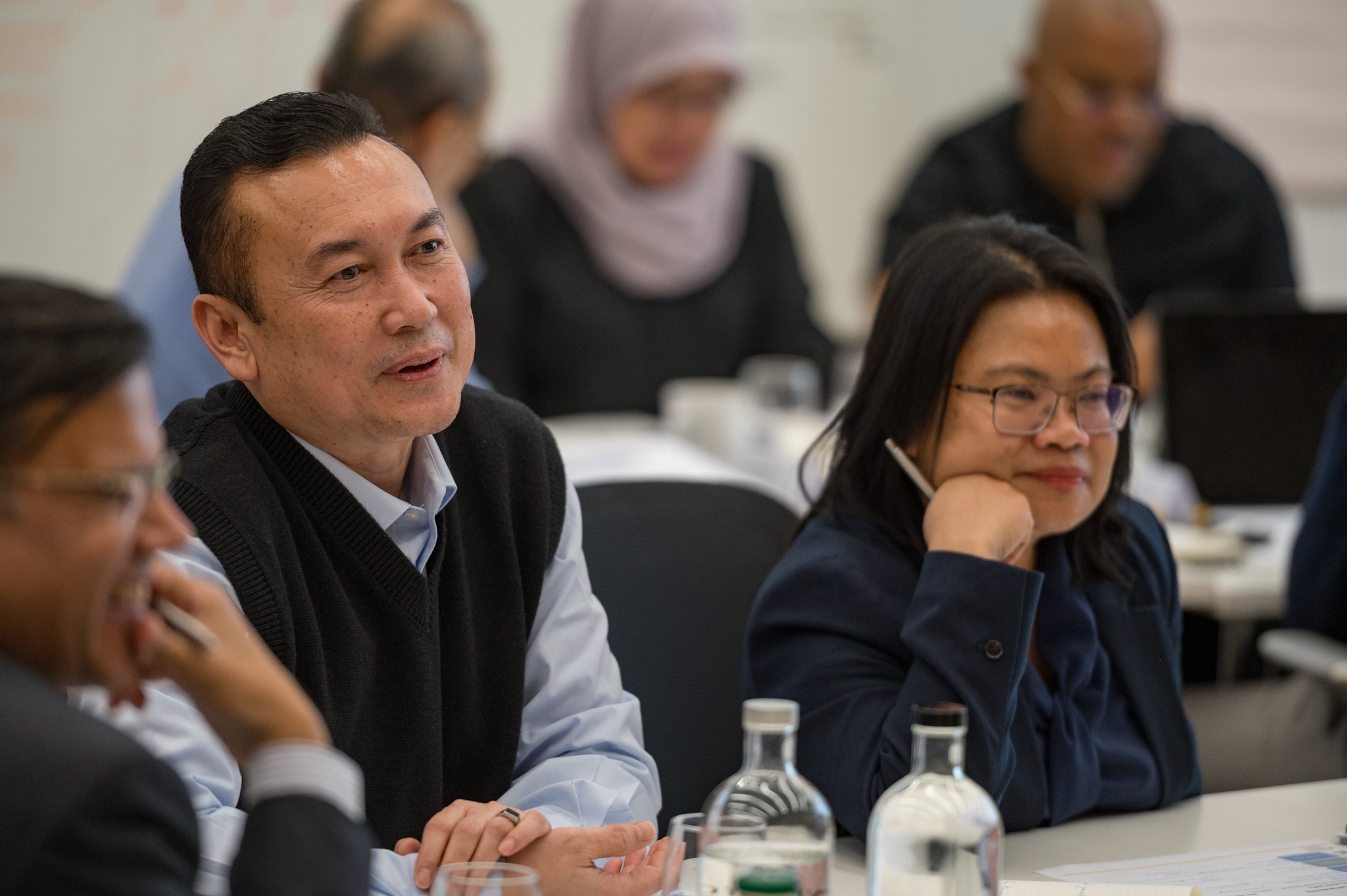
Energy transition is often discussed as a technical or environmental question, but for business leaders it is also a geopolitical one. Government decisions on energy security, trade and industrial policy can change costs, supply chains and competitive positions quickly. Understanding the forces behind those decisions helps leaders make better judgements under uncertainty, instead of simply reacting to the latest headline. So does understanding how public acceptance shapes which technologies succeed.
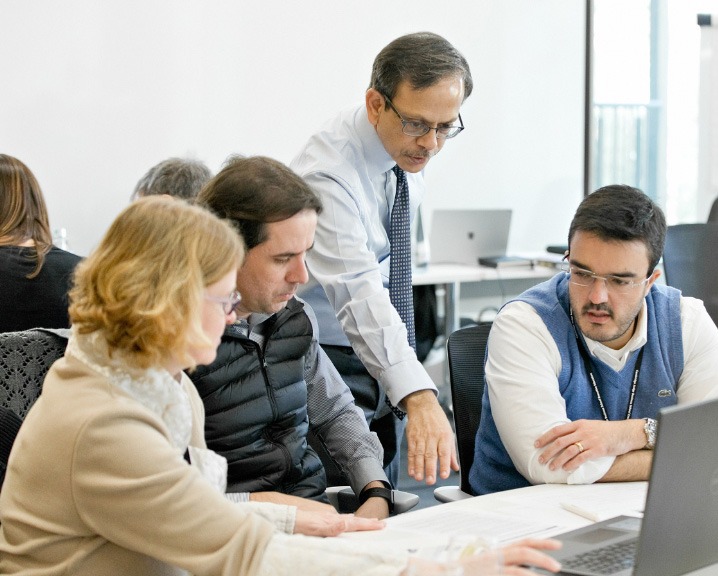
How you learn: Face-to-face
You learn in the room, in Cambridge, over 3 days. You work directly with faculty and a small group of senior peers, and each day pairs taught sessions with discussion and guided reflection on a challenge from your own organisation.
This programme also takes you to the Scott Polar Research Institute and the Museum of Zoology, and includes a fireside discussion [speaker to be confirmed] and dinner at a Cambridge college.
Faculty and speakers
The Academic Programme Director for the Sustainable Business Transformation Programme is Professor Jennifer Howard-Grenville. You will learn from her and from the faculty and speakers below.
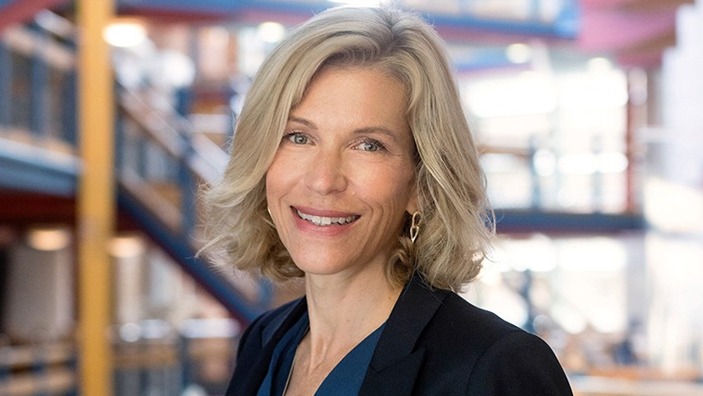
PhD (Massachusetts Institute of Technology)
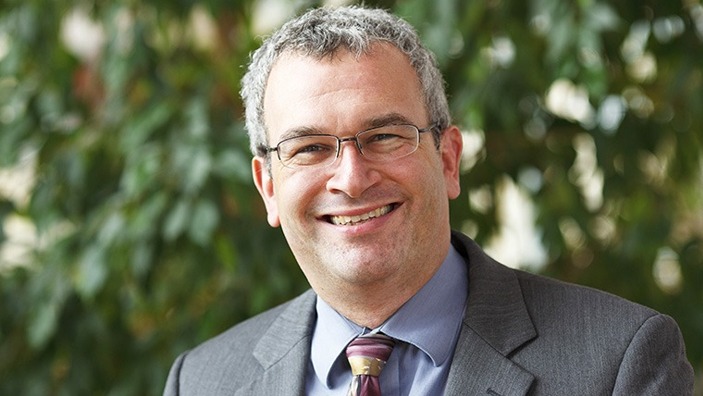
PhD (Massachusetts Institute of Technology)
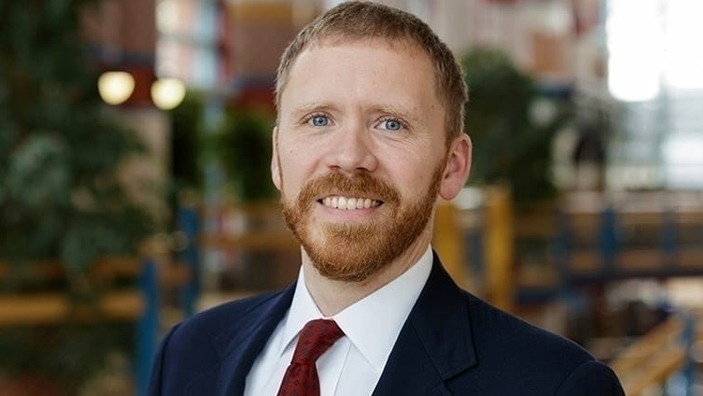
Director of the Executive Master of Accounting Programme
PhD (Wharton School of Business)
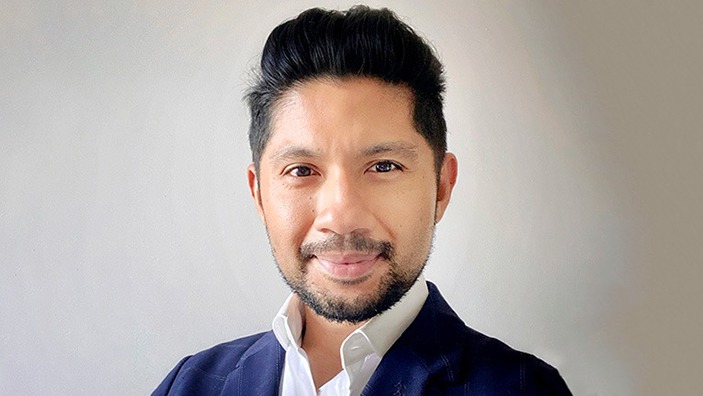
Samsurin holds an honorary title from Cambridge Judge Business School.
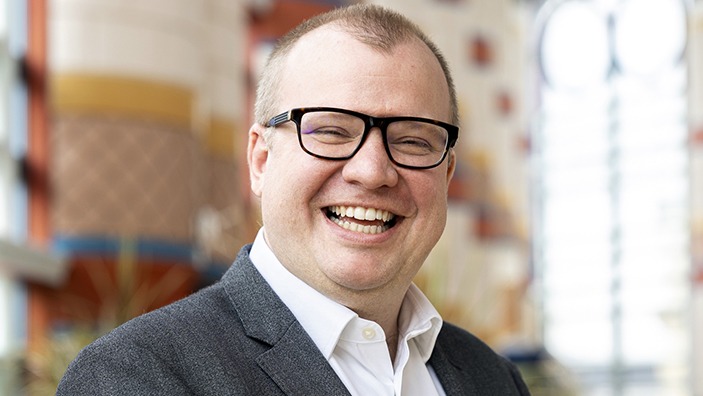
Mark holds an honorary title from Cambridge Judge Business School.
Why Cambridge Judge Business School?
Related programmes
Sustainable Business Transformation Programme belongs to our Environmental, Social and Governance (ESG)-topic executive education programmes. Here is a selection of related programmes:

Circular Economy and Sustainability Strategies
Understand the business case for sustainability and learn to drive innovation through circular economy principles and impactful solutions.

Circular Economy and Sustainability: Impact on Business Models, Finance and Investments
Recycle, repair, remanufacture, Consider the importance of sustainability as it relates to development goals and business models, gaining an introduction to Circular Economy and an understanding of its impact on your balance sheet.

Diversity, Equity and Inclusion: DEI Strategies for Business Impact
Gain a solid understanding of diversity, from the different types of diversity and why diversity matters to related opportunities and obstacles as well as successes and failures.
Speak to a programme advisor
If you have any questions or would like to discuss how this programme could benefit you or your organisation, please get in touch with the programme advisor.