

Over the last three decades, economic inequality has emerged as one of society’s most pressing challenges. This is problematic not least because higher levels of economic inequality are associated with higher levels of social and health problems including higher rates of mortality, mistrust, crime, obesity, mental illnesses, violence, and incarceration rates and weaker democratic institutions.
But what does all this have to do with organisations? Plenty, as it turns out. While most organisations claim to have instituted merit-based recruitment, promotion and related work practices, research shows that they continue to be key sites where gender, race and class-based inequalities are created, sustained and legitimised. And yet, within organisation theory and management literatures, organisations appear as largely neutral entities, focused on attainment of their goals. Gender-, race- and class-based inequalities remain largely invisible in our narratives.
This sub-plenary will explore issues related to how and why organisations are heavily implicated in the phenomenon of inequality. It will also examine why such practices can go unchallenged.
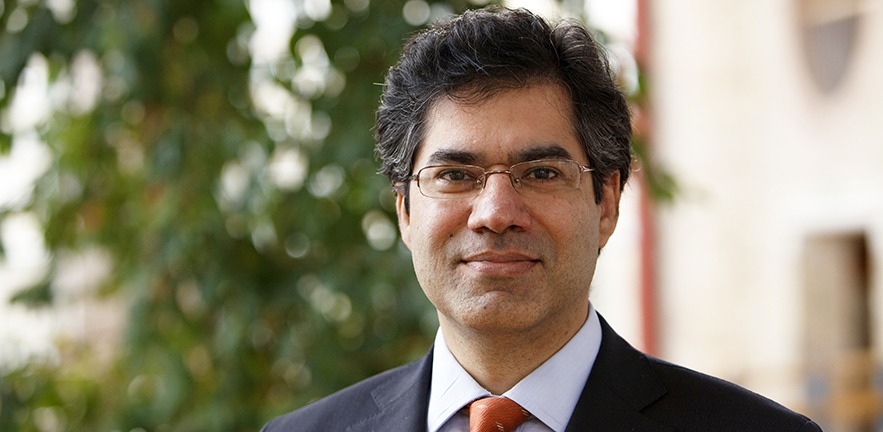
This week Dr Kamal Munir is also convening a stream on ‘Inequality, Institutions and Organizations’ at the 2020 EGOS Meeting. Virtually held in Hamburg, Germany, this sub-theme intends to build on a stream of work focused on the relationships between inequality, institutions and organisations.