

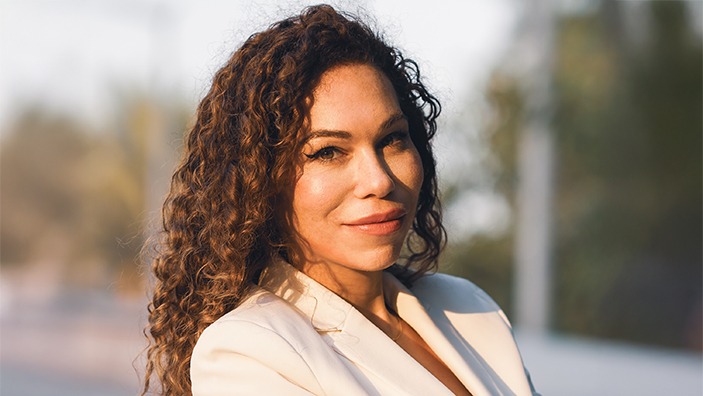
The study by Melissa Saoudy (MSt 2022), which stemmed from her dissertation at Cambridge Judge, was published in the Cambridge Journal of Climate Research. The study examines decisions of the United Nations Framework Convention on Climate Change (UNFCCC) in relation to the contested concept of ’just transition’, which encompasses a policy shift toward decarbonising economies in a manner that is fair, inclusive and sustainable.
“The ‘just transition’ is a conceptually plural and politically contested term, yet UNFCCC decisions can stabilise which meanings travel as global policy,” the study says.
Less-powerful actors seek broader concept of just transition
At COP28 in Dubai, in negotiations around the Just Transition Work Programme, delegations advanced competing interpretations of just transition. Some drew on long-established labour-centred understandings shaped by earlier industrial transitions in advanced economies, while others in the Global South and civil society actors argued for a broader justice-centred framing tied to equity, development priorities and differentiated responsibilities.
Rather than treating UN texts as neutral outputs, the study traces the discursive mechanisms through which meaning shifts in real time, including cycles of narrative push-and-pull and the strategic mobilisation of institutional language. The study concludes that the focus of less-powerful players at meetings such as COP can influence the decisions and language of the UNFCCC in ways that advance the goals of those seeking social justice and sustainability.
“This study examines how, under enduring power asymmetries, less-powerful actors contest dominant climate policy framings and secure institutional recognition for counter-narratives during COP negotiations and which interpretations become institutionalised in UNFCCC texts,” says the article. “This study shows that less powerful actors can shape multilateral climate governance not only by negotiating outcomes, but by contesting the meanings that determine what outcomes are legitimate and ‘within mandate’”.
Cambridge Judge graduate Melissa Saoudy focuses on sustainable public and private-sector impact
Melissa, a former senior manager with professional services firm EY, is Founder and CEO of The Why, a foresight, strategy and innovation firm based in the UAE that focuses on sustainable impact in the public and private sectors. Clients have included the UAE Prime Minister’s Office and the UAE National CSR Fund.
Her firm is in the UN Global Compact and the UN initiative Women’s Empowerment Principles (WEP). “We are not just advancing gender equality within our company, which is 100% woman-owned – we are contributing to a movement at the cutting edge of social, economic and planetary development” says Melissa on the WEP website. She was also a reviewer of the UN Environment Program’s GEO 7 landmark report (2025).
A key contribution to climate-governance scholarship
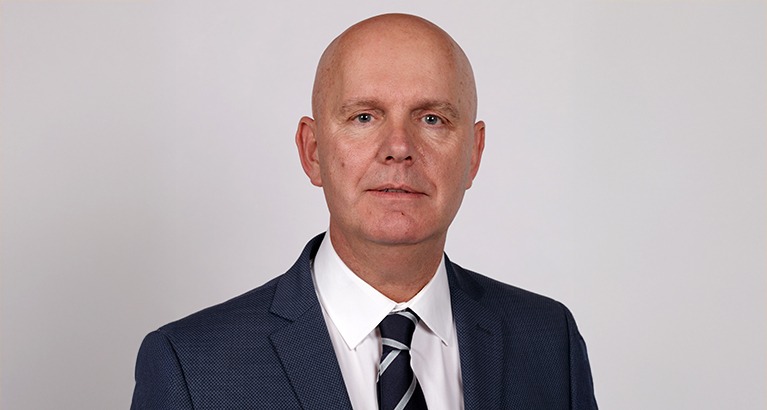
Neil Stott, Management Practice Professor of Social Innovation and Director of the Master of Studies in Social Innovation Programme at Cambridge Judge, says the new study on how COP negotiations can impact future UN language and policy marks an important contribution to scholarship in this area.
As the study outlines, the findings show how meanings evolve amid asymmetrical power in a setting in which words matter greatly – as texts from UN agencies are very important instruments in governance relating to climate and many other key issues.
A related book chapter, co-authored with Dr Michelle Darlington and Dr Nicole Helwig of the Cambridge Centre for Social Innovation at Cambridge Judge, is in development for the forthcoming edited volume A Research Agenda for Just Transition: Interdisciplinary Perspectives (edited by Kevin Lo, Edward Elgar Publishing).
Related content
Saoudy, M. (2025) “The just transition at the UNFCCC: power and discourse in COP negotiations.” Cambridge Journal of Climate Research
Related articles
Student and alumni news
MBE for graduate of Master of Social Innovation programme
Bill McHugh, an alumnus of the Master of Social Innovation degree programme at Cambridge Judge Business School (MSt 2017), was named an MBE (Member of the Order of the British Empire) for services to local government, heritage and the community in South Yorkshire in the recent King’s Birthday Honours.
Student and alumni news
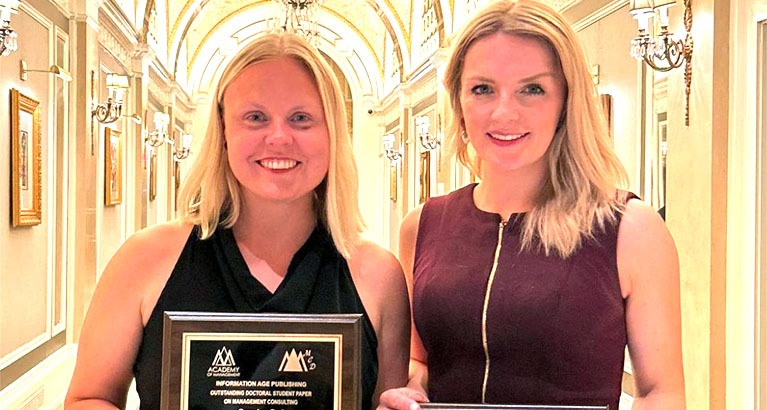
Cambridge Judge theses adapted into award-winning papers
Two alumna of the Master of Studies in Social Innovation programme at Cambridge Judge Business School are named winners at the annual Academy of Management convention.
Each of our research centres has unique ways to engage with non-academic organisations and, through that, to generate real world impact.