
Overview
Research under this theme examines how financial markets behave over decades rather than years, and what this means for long‑horizon investors.
Using rich historical datasets on US endowment funds, global investment returns and long‑run asset performance, the projects explore how different institutions allocate capital, how risk premia evolve, and how portfolios can be designed to withstand changing economic regimes. Together, these projects provide an evidence base for investors seeking to make robust, long‑term decisions.

Projects
News and insights

As financial players debate the wisdom of AI investment, a report on long-term market trends co-authored by Professor Elroy Dimson of Cambridge Judge Business School provides a timely reminder: investors should shun neither new nor old industries, and new tech doesn’t always produce bubbles waiting to burst.

Finance and accounting
Understanding market cycles through history, data and personal insight
Professor Elroy Dimson has for decades boosted our historical understanding of financial markets. He reflects on how he became hooked on financial data through an early sojourn into the corporate world, how markets history may judge artificial intelligence, and how his family’s wine business resonated in his research into collectibles.

Stock market returns have been lower in the first quarter of the 21st century than the 20th century, but still had annualised real returns of 3.5%, says report co-authored by Professor Elroy Dimson.
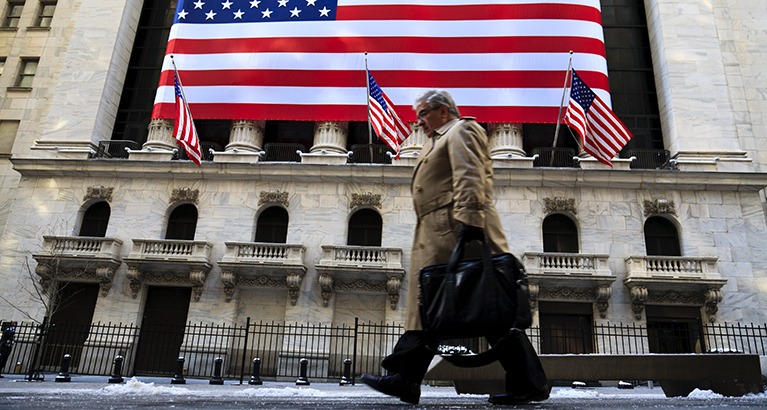
Annual UBS Investment Returns Yearbook, co-authored by Professor Elroy Dimson of Cambridge Judge Business School, finds that Japan, Canada, Germany, Australia and other nations have lost stock market share to the US.
Finance and accounting
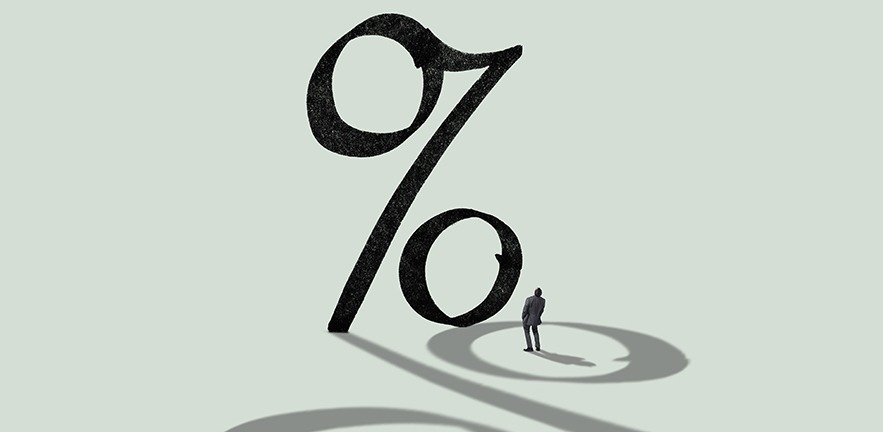
History shows inflation is stubborn when it hits 8%
Inflation hit decades-long highs in 2022, and easing is historically very slow from such levels, says new report co-authored by Elroy Dimson of Cambridge Judge Business School.

Misc news
Long-term returns
Following high returns in the 1980s and 1990s, real equity returns have since been below historical averages despite pandemic recovery, says Credit Suisse Yearbook co-authored by Professor Elroy Dimson from Cambridge Judge Business School.

Faculty news
Investment yearbook
The annual Global Investment Returns Yearbook, co-authored by Professor Elroy Dimson of Cambridge Judge, finds that 2018 was the worst year for global equity returns since the financial crisis, while investors in Chinese stocks have received no premium despite the country's economic growth.