
Read the latest news and features on the topic of social innovation:

Social impact
How social innovation can tackle wicked challenges
Articles examining issues such as sustainability, class division and integrating prison leavers into society highlight the achievements of social innovation and the huge challenges that remain for social innovators around the world, as reflected in the Journal for Social Innovation operated by alumni of Cambridge Judge Business School.
Student and alumni news
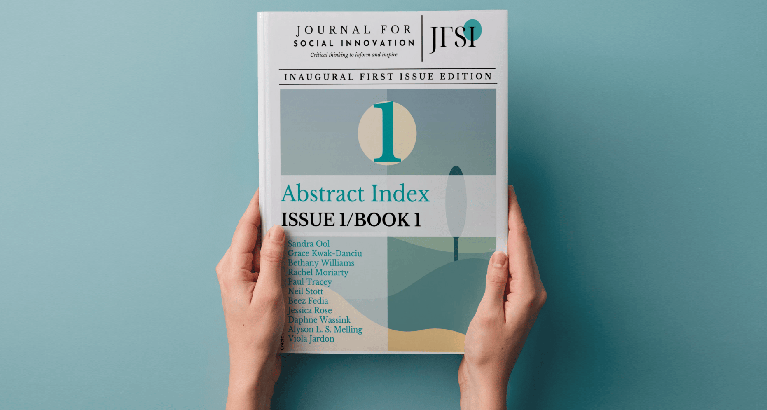
New Journal for Social Innovation at Cambridge Judge
A group of alumni of the Master of Studies in Social Innovation (MSt Soc Inn) programme at Cambridge Judge Business School have created a new Journal for Social Innovation (JFSI) to highlight the research of people who graduated from the degree programme as well as people involved in the Cambridge Social Ventures incubator that is part of the Cambridge Centre for Social Innovation (CCSI) at the Business School.
Research centre news
Cambridge Social Innovation Prize 2026 winners announced
From equine-assisted therapy for young people to removing hunger as a barrier for learning, 4 exceptional social entrepreneurs and their ventures have been recognised for their achievements and ambition in creating social change through business.

Programme news
High hopes for a new university in mountainous Nepal
Nimesh Ghimire has known for a very long time that he would like to start up a new university in his native Nepal that combines liberal arts education with social innovation values, which is a tall task. But Nimesh, an alumnus of the Master of Studies in Social Innovation programme at Cambridge Judge Business School (Mst Soc Inn 2023), is busy laying the groundwork.

Social innovation is usually evaluated on short-term impact, but it doesn’t have to be that way. Research by Helen Haugh of Cambridge Judge Business School takes a longer-term perspective, focusing on 3 key approaches to how social innovation can have true transformational effect to help address society’s grand challenges.

Social impact
How we are all complicit in organisational lethality
Some lethality is intentional, such as overwhelming military force, yet there are other types of lethality. In this piece Neil Stott, Management Practice Professor of Social Innovation and Co-Director of the Cambridge Centre for Social Innovation at Cambridge Judge Business School, argues that organisational lethality – the capability and capacity to kill – is increasingly pervasive. He says there is an imperative to treat organisational lethality not as a regretful by-product of organising but as a moral failure requiring urgent collective action.

Social impact
A new framework for social innovation
The goals of social innovation often win broader acceptance than the specific approaches taken. Cambridge researchers are redefining social innovation to overcome resistance and moving beyond market-based solutions.

Research centre news
Report shows how water mismanagement leads to climate mobility
The movement of people due to climate-related changes is examined in a report by BCG and the Cambridge Centre for Social Innovation that had its UK launch at the Business School.

ESG and sustainability
5 principles to address climate change
How to tackle climate change using a social generative approach including sacrifice and ecological design, as drawn from examples studied at the Cambridge Centre for Social Innovation.
Student and alumni news
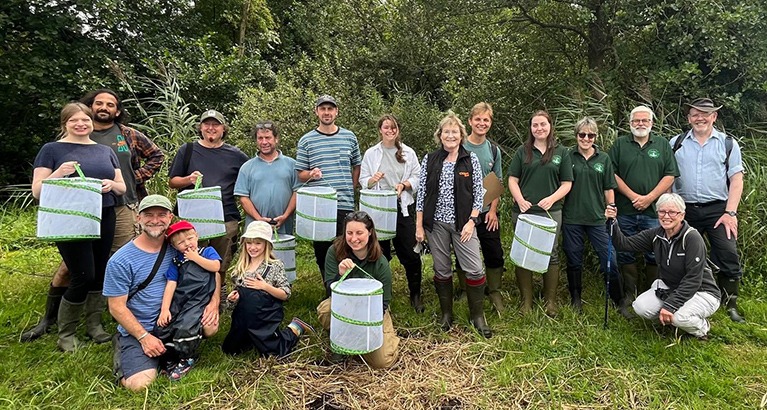
Citizen Zoo: empowering people to restore wildlife
An organisation supported by Cambridge Judge Business School is on a mission to reintroduce wildlife back into nature with help from non-expert Citizen Keepers in the community.

There are 5 blockages that have made progress painfully slow in achieving the UN Sustainable Development Goals, says research from the Cambridge Centre for Social Innovation.

Research centre news
High honour for social innovation fellow
Air Commodore Jarrod Pendlebury, a Research Fellow at the Cambridge Centre for Social Innovation (CCSI), is named to Australia’s King’s Birthday Honours for outstanding achievement as UN military adviser.
Career and personal development
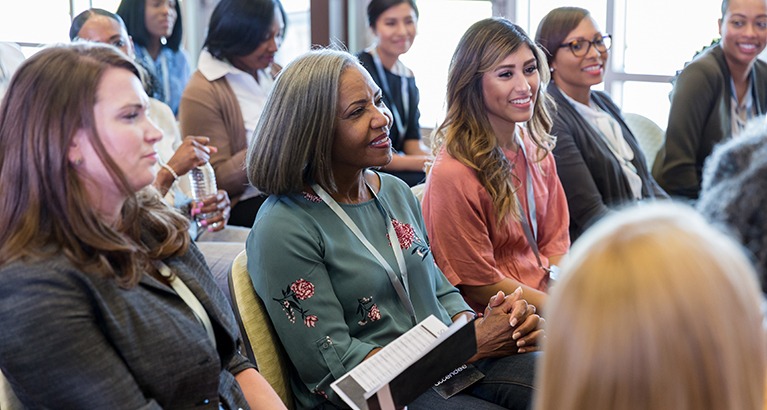
Women’s collective leadership for social change
The online WomenEd community of educational reformers around the world illustrates alternative forms of organising in the digital age, says research from the Cambridge Centre for Social Innovation.

Cambridge Judge, Fauna & Flora, and the Endangered Landscapes & Seascapes Programme team up on a guide to establishing and operating Nature-Positive Enterprises (NPEs).

Marsh Farm Outreach helped regenerate an area of Luton, UK, by overcoming friction between local officials and grassroots organisers, says a case study from the Cambridge Centre for Social Innovation at Cambridge Judge Business School.
Next steps
Follow MSt in Social Innovation on social media:


