
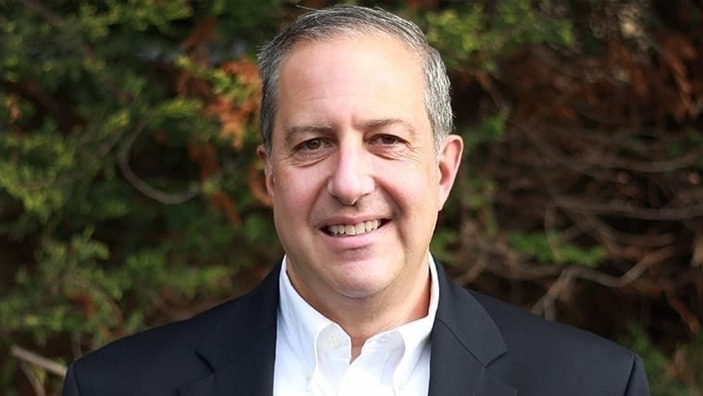
This focus on harms views intentionally deceptive speech or other disinformation as often “a preparatory act to engage in an intentional associated harm or exploitation act”, with such misleading narratives being pushed into the ecosystem by actors with financial or other incentives to exploit others, Alan says in a draft of his opening remarks for the Summit.
“In other words, I see disinformation as preparing the landscape for corruption,” says Alan.
The 3-day Summit will focus on settings where disinformation and cognitive manipulation exploits audiences, including how disinformation enables online platforms like social media to profit off human addiction. “If we believe these platforms are addictive, then society has long upheld that profiteering off human addiction should be considered among the most corrupt business practices. If this is the correct framing, then tech platforms should not, in my opinion, escape the same level of scrutiny and accountability as pushers who peddle tobacco or opiates, particularly when these platforms also ‘Hoover up’ very sensitive and vulnerable data, volunteered by those who sustain the platforms’ revenue models,” Alan says.
Interplay between disinformation and a variety of societal risks
The Summit will examine the interplay between disinformation and many systemic risks to our society, including environmental, economic and electoral-integrity risks. In addition, panels at the Summit look at the societal, governmental and accountability risks from concentrated billionaire ownership of broadcast and online dissemination platforms.
Other panels include: Countering Hate, Risks from Para- and Machine-Social Relationships, Harms to Targeted Communities, and Censorship and Freedom of Expression.
In his opening remarks, Alan expresses thanks to the University of Cambridge for taking leadership on free expression at a time when other global universities appear less willing to stand up to political and cultural pressure against the sciences. He notes that the Summit will again align with the University’s Code of Practice on Free Speech, which “encourages staff, students and visitors to engage in robust, challenging, evidence-based and civil debate as a core part of academic enquiry and wider University activity, even if they find the viewpoints expressed to be disagreeable, unwelcome or distasteful.”
Other speakers at the Summit include: University of Pennsylvania climate scientist Professor Michael Mann, former Australian Prime Minister Malcolm Turnbull, Stanford University financial economist Professor Anat Admati, UK MP Anneliese Dodds, former UK MP Damian Collins, Nobel Economist Professor Joseph E Stiglitz and Member of European Parliament Alexandra Geese.
From weakening trust to stand-up comedy
Alan will moderate a session, on how social media is weakening trust, that features Spencer Cox, Governor of the state of Utah, via livestream.
A dinner event features a fireside chat with well-known comedian Katherine Ryan, who will discuss how the craft of stand-up comedy – including how to read an audience, build tension and shift what people believe in just 60 minutes – has “uncanny parallels to disinformation tactics”.
Related content
Related articles

News
Top 10 reads of 2025
Articles about artificial intelligence and sustainability were among the most popular stories on the Cambridge Judge Business School website in 2025, reflecting a year in which AI capabilities expanded apace and the November COP30 climate-change summit in Brazil focused attention on the environment.
In the current, late-2025 climate of ongoing government restructuring, mass furloughs, budget pressures, and a federal shutdown in the US, Cambridge Judge Business School alumni with a similar background explain how the right business master's degree can prepare you to adapt, lead and pivot your career in new directions.

Research centre news
Summit explores effectiveness of steps to fight disinformation
The 2nd Cambridge Disinformation Summit, 23-25 April 2025, focused on efforts to fight the harms from intentionally shared false or misleading information. The organiser, Professor Alan Jagolinzer, said the Summit allowed for interdisciplinary researchers and policymakers to meet and coordinate global projects, engage in community threat assessment and resilience preparation, and advocate for better data to study algorithms used in technology platforms.