

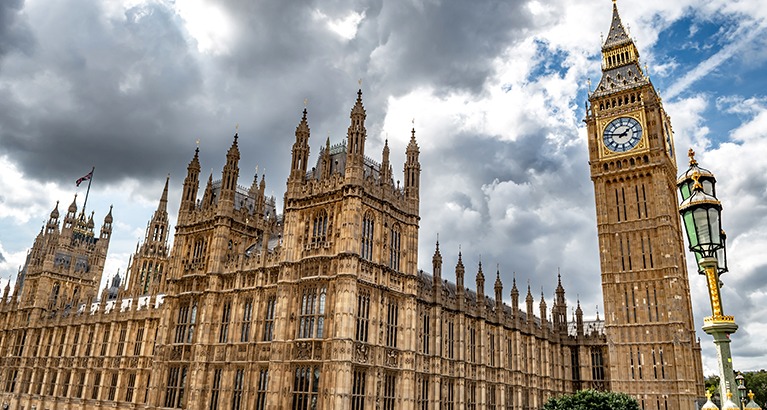
The 64-page report by the cross-party Lords committee – entitled Private Markets: Unknown Unknowns – concludes that there are currently too many uncertainties to determine whether private markets pose a systemic risk to the UK’s financial stability.
The report says, however, that public bodies like the Bank of England and the Financial Conduct Authority are right in being vigilant in monitoring the growth of private markets and their stability implications. The report says further that the UK Treasury’s evidence “demonstrated a limited grasp of the concerns raised during this inquiry, which suggested passivity in the face of potential risks to the UK’s financial stability.”
“Global private markets have grown rapidly, from less than $4 trillion in global assets under management in 2008 to around $16 trillion today, and approximately $185 billion in the UK,” says the report. “Whilst private markets have delivered strong returns for investors and provided tailored finance to UK companies and infrastructure projects, concerns have been raised about the implications of their rapid growth and interconnectedness with banks and insurers for the UK’s financial stability.”
Parliamentary committee requested submission
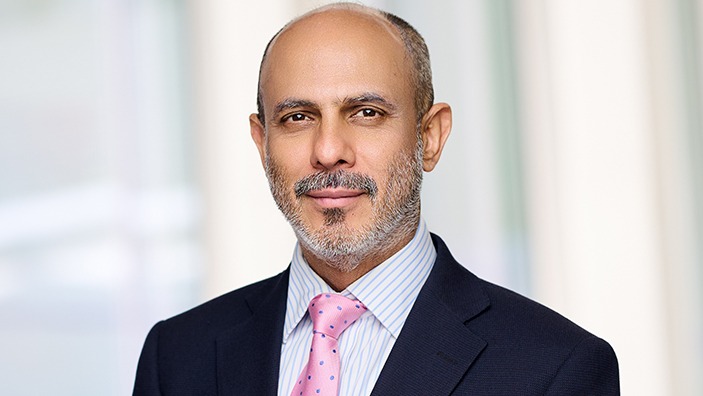
The report includes 10 references to the written submission by Raghu, which was requested by the committee, including his remarks on how reforms following the 2008 global financial crisis had prompted banks to retreat from some lending sectors and the resulting shift of some lending into private markets.
“Professor Raghavendra Rau, Sir Evelyn de Rothschild Professor of Finance at the University of Cambridge, stated that the reforms have had ‘a direct impact on banks’ ability and willingness to engage in certain types of lending,’” says the parliamentary report. “He went on to elaborate: ‘With balance sheet lending becoming significantly more costly, banks were incentivised to retrench from segments of the market that offered lower returns relative to the new capital requirements.’”
Effect of quantitative easing, and regulatory arbitrage
The report also cites Raghu’s evidence regarding the impact on investors of quantitative easing policies and the low-interest environment following the global financial crisis.
“Professor Raghavendra Rau suggested that: ‘With returns on traditional fixed-income assets suppressed, these investors were compelled to look further afield to meet their long-term liabilities. Private credit, offering higher contractual returns and an illiquidity premium, emerged as a highly attractive asset class.’”
The committee also addressed the issue of regulatory arbitrage, or the deliberate shift of activities to jurisdictions with less oversight, saying: “Professor Raghavendra Rau (noted) that post-2008 regulations have ‘created a classic opportunity for regulatory arbitrage.’”
Featured research
House of Lords Financial Services Regulation Committee (2026) Private markets: unknown unknowns.
Related content
“Financial Services Regulation Committee publishes private markets report.” committees.parliament.uk, 9 January 2026
Related articles

Professor Raghu Rau of Cambridge Judge Business School is appointed to additional role at Gresham College in London, where he will deliver a series of lectures.

Seven members of the Cambridge Judge faculty are awarded teaching prizes for excellence across the Business School's various programmes.

Misc news
Nature and nurture
Childhood disruption through parents' divorce or death is a "nurture"-related factor affecting risk taking of investment professionals, says study in Journal of Banking & Finance.