
About
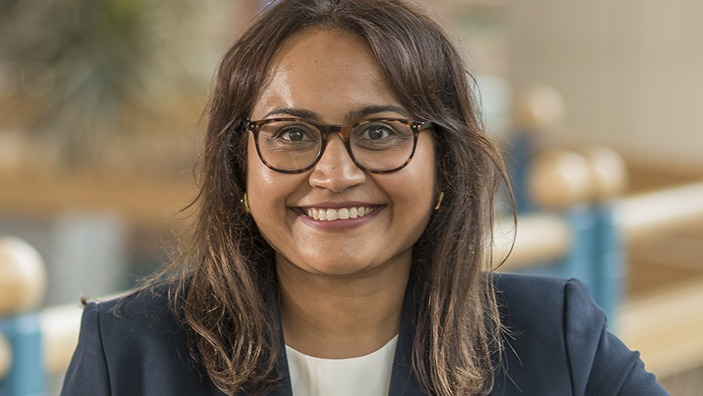
Name: Davina Patel
Nationality: British
Programme: Cambridge EMBA 2025
Current role: Chief Operating Officer, Kids for Kids
Industry sector: Non-profit
What is your professional and educational background?
I found my career path whilst I was studying for an MA in International Public Relations at Cardiff University. It was following my work with Amnesty International that cemented my commitment to strengthening mission-driven organisations to deliver sustainable, long-term social impact.
Throughout my career, I have worked in values-led charities focused on peace-building, poverty alleviation and community transformation. I bring extensive senior leadership and operational experience, alongside a strong track record of building resilient organisations through periods of growth and change. I am currently COO of Kids for Kids, a non-profit delivering sustainable, community-led programmes that lift women and children out of poverty in Darfur, Sudan.
What is the most exciting thing about your work?
My work directly supports women and children in remote villages in Darfur, Sudan, communities long overlooked by the international community. The civil war, which began the very week I joined Kids for Kids, has since escalated into the world’s worst humanitarian crisis. Millions have been displaced, food and water are increasingly scarce, preventable diseases are on the rise and widespread child malnutrition persists.
Our work in Darfur is firmly community-led. Funds raised are directed straight to life-saving emergency aid, enabling mothers to feed their children and providing essential items such as mosquito nets, blankets, soap, medicines and veterinary drugs. Through our Goat Loans, families receive goats that provide children with vital, protein-rich milk. What drives me is the long-term sustainability of these projects, which are helping families survive this brutal conflict.
What attracted you to Cambridge Judge Business School and the Executive MBA?
I have spent over a decade working in the social impact sector, developing expertise in fundraising, operations and donor management. While this experience has shaped my career, I am conscious that my perspective has largely been informed by one sector. What drew me to Cambridge Judge Business School and the Executive MBA is the diversity of thought, experience and background from peers in the programme. I am keen to broaden my understanding of how business principles and practices can be harnessed to drive meaningful societal change.
The Cambridge Executive MBA is giving me the opportunity to challenge my assumptions through exposure to a truly global, multi-sector cohort. I am excited to apply this wider perspective to my work, bringing more innovative and entrepreneurial thinking into my career. I am learning from my peers and building lasting friendships along the way.
And, of course, the College formals are a very welcome bonus.
What are you hoping to get out of the Executive MBA?
One of the main reasons I chose Cambridge was its strong emphasis on innovation and entrepreneurship, alongside the opportunity to learn from world-renowned, award-winning faculty. Returning to study while balancing a full-time role and a young family was initially daunting, but it has quickly become deeply rewarding. For the first time, I am truly investing in myself, and that has been an incredibly powerful experience.
What are your long-term career ambitions?
I hope the Executive MBA will enable me to continue growing as a leader at a time when the global order is being challenged, disinformation is fuelling division and geopolitical risks are increasing. In an increasingly uncertain world, the need for leaders grounded in strong values and ethical decision-making has never been greater.
Through the Executive MBA, I aim to develop the skills and perspective needed to find innovative ways to alleviate poverty, whether through leadership roles in international non-profit organisations, the private sector or potentially by founding my own start-up focused on creating positive societal change.