
Strategic People Management for Leaders
Align your people and strategy for a rapidly changing world. Develop the practical insights to lead inclusive cultures, harness AI responsibly, and achieve strategic objectives.
Upcoming programmes
Format:
Dates:
Duration:
Fees:
Face-to-face
15-17 Jun 2026
3 days
£4,800 + VAT
Face-to-face
23-25 Nov 2026
3 days
£4,800 + VAT
Upcoming programmes
Format:
Face-to-face
Dates:
15-17 Jun 2026
Duration:
3 days
Fees:
£4,800 + VAT
Format:
Face-to-face
Dates:
23-25 Nov 2026
Duration:
3 days
Fees:
£4,800 + VAT
Overview
In an era of constant change, the bridge between strategic intent and organisational success is your people. This programme examines how effective people management underpins performance, aligning human capital with strategy to build commitment and team effectiveness. You will explore how leading organisations attract and retain talent by hiring for potential and building firm-specific capabilities. By mastering how ability, motivation, and opportunity interact, you will learn to leverage emerging approaches that enhance both individual and organisational output.
A distinctive feature is the focus on human-centred leadership in complex environments. You will develop the self-awareness and empathy required for compassionate leadership, gaining practical tools to build inclusive cultures that foster psychological safety. As the workplace evolves, the programme addresses the growing role of AI and its ethical implications, before concluding with change management and organisational development. You will emerge with the insight to translate people strategy into a sustained competitive advantage, ensuring your organisation thrives through even the most trying of times.
Benefits and career impact
Understand your role as a leader and benefit from practical, data-driven frameworks and concepts.
- Acquire and develop new people management capabilities and confidence.
- Translate learning frameworks into day-to-day business responsibilities.
- Develop personal action plans to utilise new skills and achieve desired team behaviours.
- Leverage new technologies including AI and data analytics to support your talent management decisions.
- Discover how to build motivation and increase performance during strategic change.
- Gain a Cambridge Judge Business School digital certificate of completion.
- Give your leaders the skills to develop and sustain high-performance teams.
- Align employee performance with your organisation’s core strategic objectives.
- Create an inclusive culture that nurtures a diverse talent pool.
- Develop a talent strategy suitable for a multi-generational workforce.
- Maintain and change organisational culture, even during times of uncertainty or rapid growth.
In today's fast-paced environment, the ability to effectively manage, motivate, and retain top talent is the definitive competitive edge. In this programme we provide you with the practical frameworks and essential leadership skills required to master the core pillars of people management, ensuring your people and teams are engaged, resilient, and consistently high performing. These pillars are talent management, developing high performance individuals, building compassionate leadership, and developing a strong positive culture. The programme brings the latest thinking on these issues based on research and engagement with many organisations and is intended to be highly practical, with implications that can be addressed back in your own teams and organisational contexts.
This programme is certified by the CPD Certification Service. It may be applicable to individuals who are members of, or are associated with, UK-based professional bodies.
Programme content
Our People and Organisational Effectiveness Programme offers fresh, research-based insights and a transformative learning experience – all delivered by Cambridge Judge’s world-class faculty.
Module 1: Aligning people and strategy
- Analyse the people management strategies that organisations pursue and the mechanisms by which people are aligned to them.
- Outline solutions to help you build more commitment from your workforce around strategic imperatives.
Module 2: Talent attraction, nurturing and retention
- Analyse the challenges that arise from targeting and managing top talent.
- Explain how the recruitment and selection of individuals support the basic philosophy of your organisation.
- Identify strategic goals to gain higher engagement and commitment from your workforce.
Module 3: Leading with compassion
- Consider how being an authentic leader requires empathy, sensitivity and the tolerance of distress to adapt to unpredictable changing environments.
- Understand how compassionate leadership requires wisdom, strength and caring.
- Explore the 3 emotional regulation systems of drive, threat, and care and how these can be balanced.
Module 4: Building culture and inclusivity
- Explain the key elements of a productive culture.
- How inclusivity can be nurtured to ensure all people feel they are making a contribution.
- Identify behaviours and beliefs that are needed to develop a learning environment.
Module 5: Performance management
- Identify how the power of marginal gains, defensive routines and self-fulfilling mindsets affect individual performance management.
- Evaluate the benefits and drawbacks of new approaches in performance management.
- Analyse how ability, motivation and opportunities can be combined to increase the performance of individuals.
Module 6: AI and people management
- Understand the landscape of AI use in the workplace.
- Explore use cases of AI in people management.
- Analyse the ethical implications involved in AI use in leading people.
Module 7: Change management and organisational development
- Identify what enables and constrains change in people management.
- Explain how organisations develop and revitalise themselves through managing the effects of organisational development processes.
- Identify key learnings to enhance people strategy development.
How you learn: Face-to-face
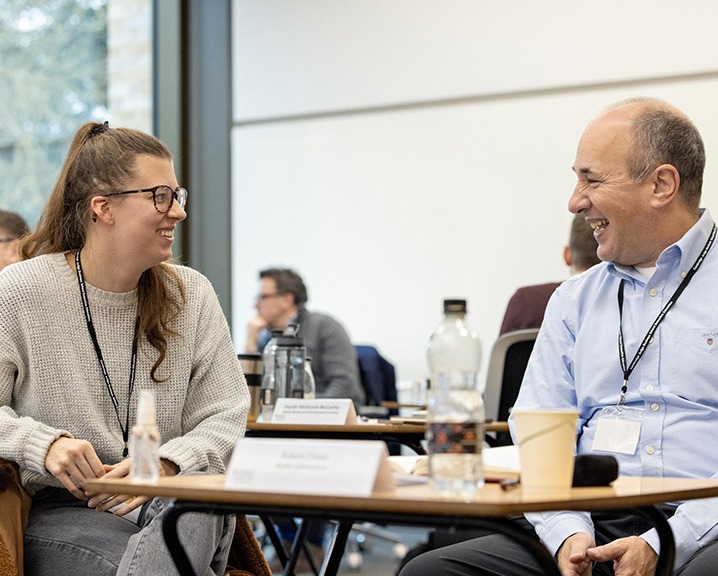
Immerse yourself in an inspirational learning environment in the historic and beautiful city of Cambridge. In an intense classroom-based experience, you will engage with faculty and peers in person. Join ‘Cambridge Union’-style debates, hear from guest speakers and faculty, and enjoy group exercises, role-play and informal conversations both in and outside class.
Who attends
This programme is tailored for established leaders and managers tasked with steering people and teams. It is specifically designed for those who shape people strategy, drive talent and performance initiatives, and aim to elevate organisational results through high-impact leadership.
The cohort typically comprises experienced team leads, senior managers, and functional heads, alongside HR and L&D professionals from the private, public, and non-profit sectors.
- Direct teams, functions, or specialists and hold significant influence over strategic people decisions.
- Navigate change by setting a clear direction, optimising performance, and fostering commitment.
- Cultivate organisational culture, talent pipelines, and inclusive professional environments.
- Seek to integrate a sophisticated understanding of people management into their broader leadership portfolio.
Faculty and speakers
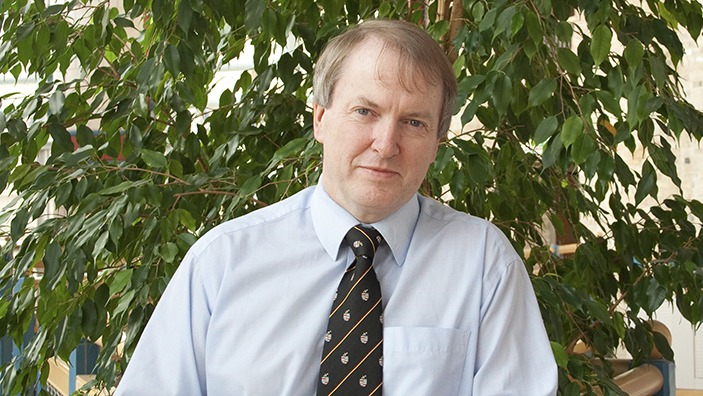
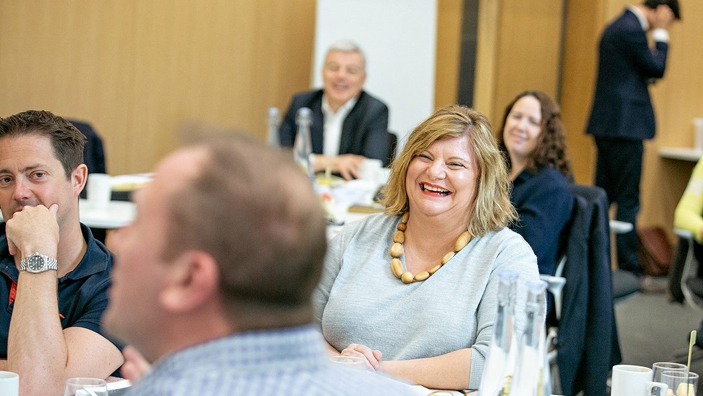
Learn from our world-class faculty who bring fresh insights from their leading-edge research into all of our Executive Education programmes. The Academic Programme Director (APD) for the People & Organisational Effectiveness programme is Dr Philip Stiles.

Co-Director of the Centre for International Human Resource Management (CIHRM)
PhD (University of London)

Fellow (Centre for International Human Resource Management)
Cath is a Leadership Development Consultant who work with Executive Education. She also holds an honorary title from Cambridge Judge Business School.

Jamesina works with Cambridge Judge Business School Executive Education.
Why Cambridge Judge Business School?
Related programmes
People & Organisational Effectiveness belongs to our Managing People-topic executive education programmes. Here is a selection of related programmes:

Transformational Leadership
Leading through rapid change is a huge and complex challenge. Move beyond the ordinary, developing a flexible leadership style that strikes the right balance between inspirational leadership and results-oriented management.

People Analytics: Transforming HR Strategy with Data Science
Align your HR decision-making with corporate objectives by leveraging the data that already exists within your organisation.

Creating High Performance Teams
Teams today must perform better than ever before. Explore the importance of high-performance cultures as they relate to organisational success, and learn to transform talented individuals into cohesive, high-powered teams.
Speak to a programme advisor
If you have any questions or would like to discuss how this programme could benefit you or your organisation, please get in touch with the programme advisor.